
DEXA Scan for Body Composition: What to Expect
What a DEXA scan measures, how the appointment goes, and how to read the results: lean mass, fat mass and bone density.
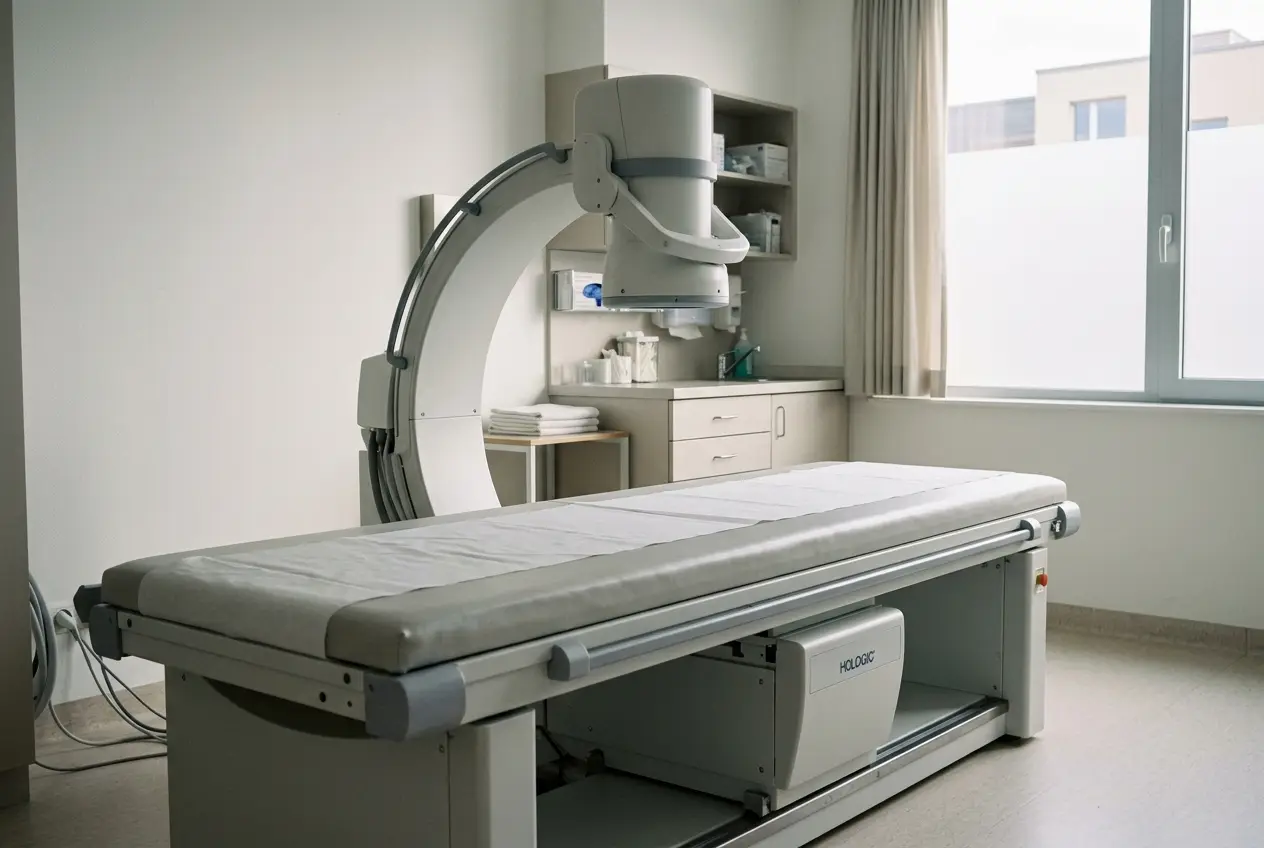
A DEXA scan uses two low-dose X-ray energies to separate your body into three compartments: lean mass, fat mass and bone mineral. It is the reference method most other body-composition tools are validated against, and the scan itself is easy: you lie still on an open table for a few minutes, fully clothed, no enclosure.
The report is where the value is. Instead of one number, you get a regional breakdown: lean and fat mass per arm, per leg, per trunk, plus bone density. That is how you see things a scale hides completely, like gaining muscle and losing fat at the same time, or a strength imbalance between limbs.
The radiation dose is very small, well below a standard chest X-ray, though as with any X-ray based measurement you should tell the provider if you are or may be pregnant. For most people the practical questions are about consistency: scan under similar conditions each time (time of day, hydration, food) so the comparison between scans is clean.
The single best use of DEXA is bracketing a training block: baseline scan, twelve or so weeks of honest work, rescan. The delta tells you what the program actually did, and that feedback loop is worth more than any single reading.
Good to know
How long does a DEXA appointment take?
The scan itself takes several minutes; plan on a short appointment overall including setup and results.
Is DEXA more accurate than a smart scale or calipers?
Yes. Bioimpedance scales and calipers estimate; DEXA measures with a method the estimates are usually calibrated against. The gap matters most when you are tracking small changes.
Train for the long haul
Sessions by appointment. Call or email to book. Millcreek, in person or online.